


Frequently Asked Questions
Everything you need to know about traveling with Fair Travel Tanzania.
About Fair Travel
What does “non-profit tour operator” mean?
Fair Travel Tanzania channels 100% of net profits into wildlife conservation and sustainable community projects. We operate as a business with fair pricing, but instead of shareholders, our beneficiaries are Tanzania’s ecosystems and communities.
How is Fair Travel different from other tour operators?
Three key differences: (1) Our staff earn fair salaries and don’t depend on tips, (2) all profits go to conservation, and (3) every trip is CO2 offset. We also offer fully transparent pricing — you see exactly where your money goes. Learn more about what makes us different.
What does the “challenge any offer” mean?
If you’ve received a quote from another operator, send it to us. We’ll review it, explain the differences in what’s included, and offer you a fair alternative. We often match or beat prices while including more ethical practices. Read more about our safari challenge.
Safari Questions
When is the best time to visit Tanzania?
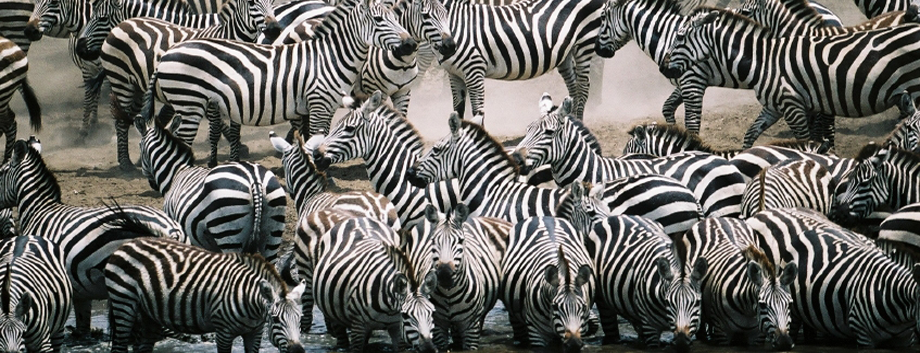
Tanzania is a year-round destination. The dry season (June–October) is ideal for wildlife viewing. The Great Migration crosses the Serengeti from December–July. The short rains (November) and long rains (March–May) offer lower prices and fewer crowds. We’ll help you choose the best time for your priorities.
Which national parks will I visit?
Our safaris typically include Serengeti National Park, Ngorongoro Conservation Area, Tarangire National Park, and Lake Manyara. We customize every itinerary based on your interests, budget, and timing. See our safari options.
Can I combine a safari with Kilimanjaro or Zanzibar?
Absolutely! Many of our guests combine two or three experiences. A popular combo is a 5-day safari followed by 3-4 days in Zanzibar, or a Kilimanjaro climb followed by a safari. We’ll design the perfect itinerary for you.
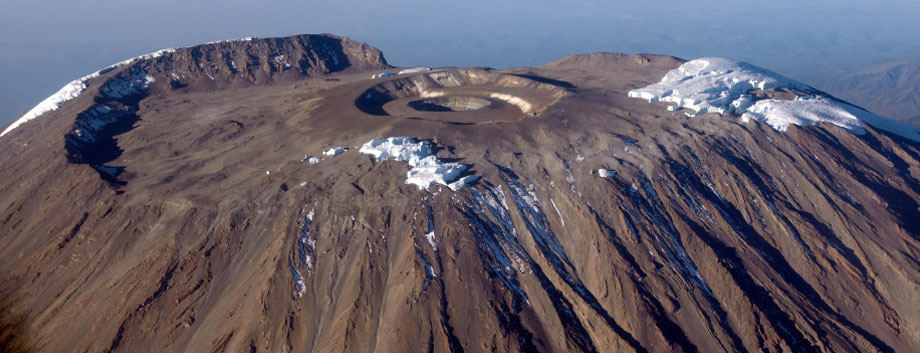
Kilimanjaro Questions
How fit do I need to be to climb Kilimanjaro?
You don’t need to be an elite athlete, but reasonable fitness is important. Most successful climbers have done regular cardio training (hiking, running, cycling) for 2-3 months before the climb. Our guides manage the pace carefully with the “pole pole” (slowly, slowly) approach. Read more about Kilimanjaro.
Which Kilimanjaro route do you recommend?
The Machame Route (6-7 days) offers the best balance of scenery and summit success rate. The Lemosho Route (7-8 days) is more scenic with better acclimatization. The Marangu Route (5-6 days) is the only route with hut accommodation. We recommend at least 7 days for the best summit chances.
Practical Questions
What’s included in the price?
Our prices include: airport transfers, park fees, accommodation, meals during safari/trek, professional guides, vehicle and fuel, drinking water, and CO2 offsetting. International flights and visa fees are not included. We’ll give you a detailed breakdown so there are no surprises.
Do I need a visa for Tanzania?
Most nationalities need a tourist visa ($50 USD for most countries). You can obtain an e-visa online before travel or get one on arrival at Kilimanjaro International Airport. Your passport must be valid for at least 6 months from your travel date.
Is it safe to travel in Tanzania?
Tanzania is one of the safest countries in East Africa for tourists. Our guides are experienced locals who know the terrain and culture. You’ll be looked after from airport pickup to drop-off. We’ve been operating safely since 2010 with hundreds of happy guests.
Do I need to tip?
Unlike most operators, Fair Travel pays fair salaries — our staff don’t depend on tips. If you feel your guide or team went above and beyond, a tip is always appreciated but never expected or pressured. This is one of the things that makes us unique.